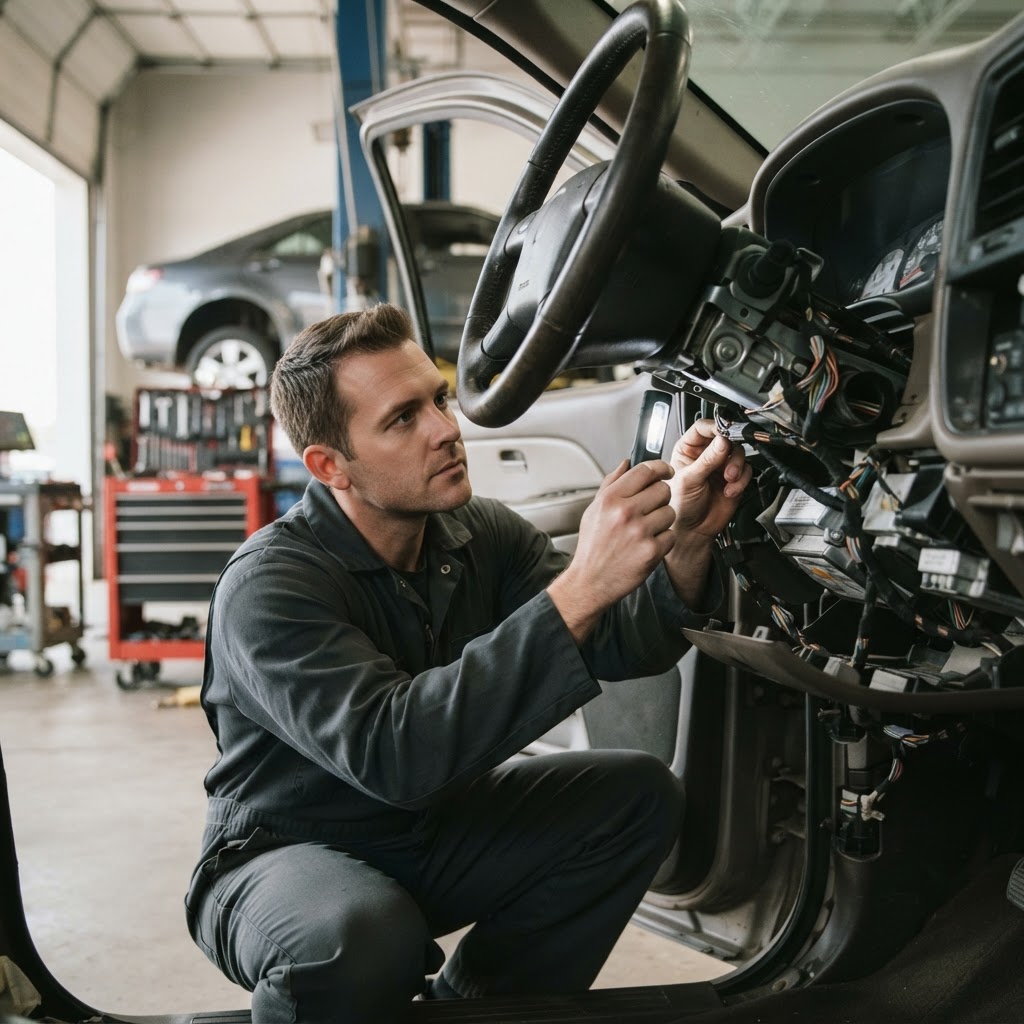
The Hidden Safety Risk Your Dashboard Won't Report
A surge in illegally imported air bag inflators means your car’s computer might be silent while a lethal defect hides behind your steering wheel.
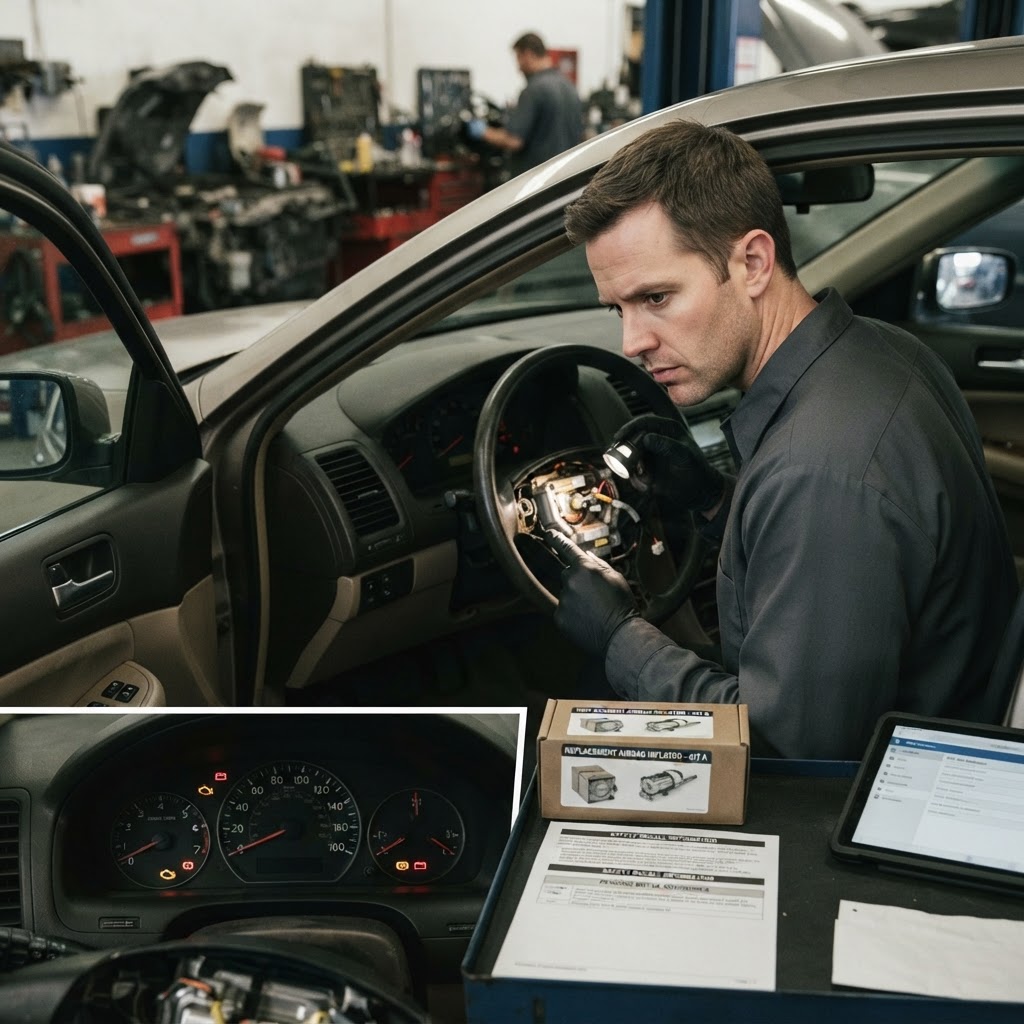
Your car’s dashboard is a sophisticated communication tool, but it has a blind spot. While modern OBD-II systems can flag engine misfires or oxygen sensor failures, they cannot detect the physical integrity of the air bag inflator hidden inside your steering wheel. This gap in diagnostic technology has become a critical safety issue for used-car owners.
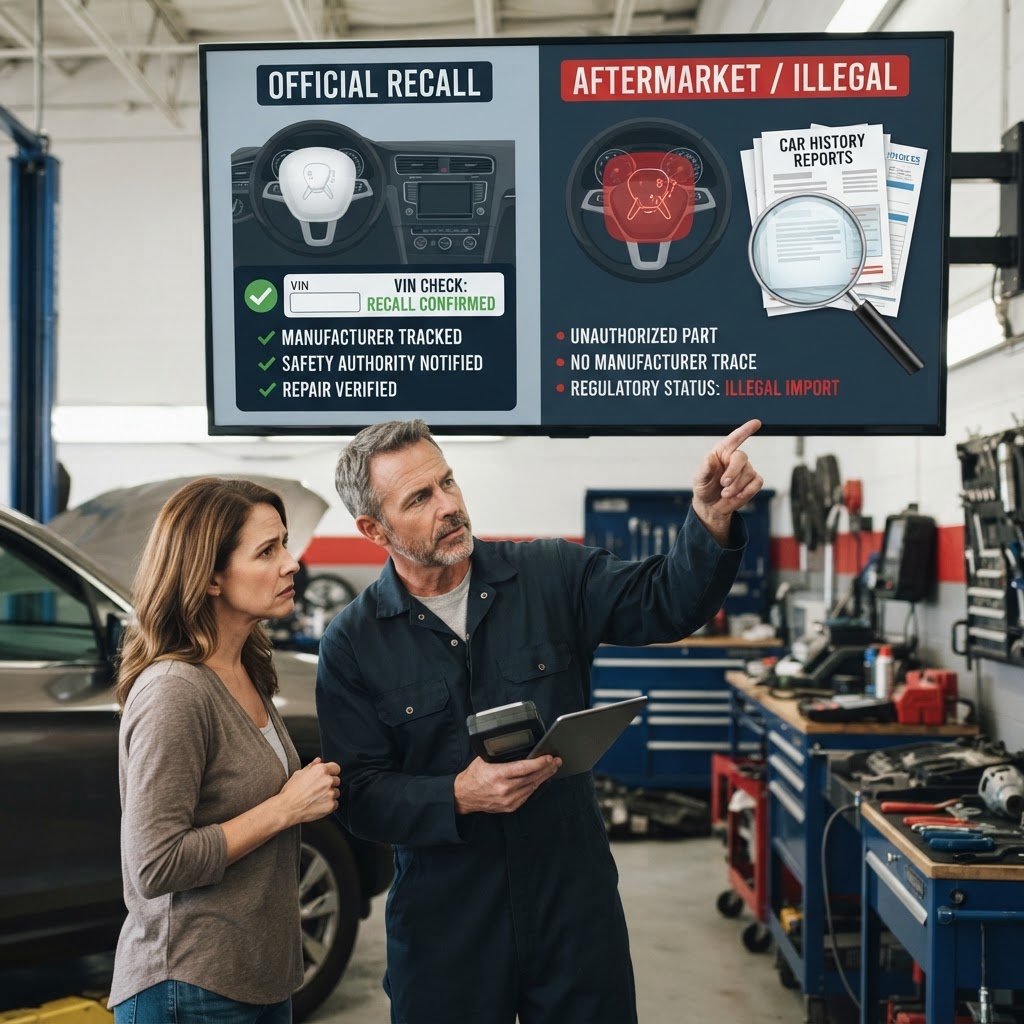
The National Highway Traffic Safety Administration (NHTSA) has issued an urgent warning regarding banned Chinese-manufactured air bag inflators, specifically those marked with the identifier "DTN60DB." These components have been linked to 11 deaths in the United States. Unlike a standard recall, these parts are often aftermarket, illegally imported, and installed by third parties—meaning they are not tied to your vehicle’s VIN and will not appear in standard recall lookup tools.
The danger is specific: these inflators are prone to rupturing during deployment, turning the safety device into a source of lethal shrapnel. This risk is most prevalent in vehicles that have previously been in a crash, suffered a theft, or undergone repairs at non-certified service centers.
How to assess your risk:
- Check the history: Use a service like Carfax to review your vehicle’s history report. Look specifically for records of prior air bag deployments, total loss events, or salvage titles.
- Verify the repair: If your vehicle has a history of deployment, you cannot rely on a dashboard light or a code reader to confirm safety. You must have the vehicle inspected by a certified dealership technician or a reputable independent mechanic who can physically verify the inflator's origin.
- Do not self-inspect: Tampering with the steering wheel or air bag module is dangerous and can trigger an accidental deployment.
If a "DTN60DB" inflator is identified, the vehicle should not be driven until it is replaced with genuine original equipment. While the uncertainty of used-car provenance is a common frustration for owners, this specific risk requires a proactive approach that goes beyond standard maintenance checks.