Treat Physical QR Codes as Untrusted Links to Protect Household Data
Scammers are increasingly placing fraudulent QR codes over legitimate payment portals; here is how to verify a code before you scan and what to do if you have already entered information.
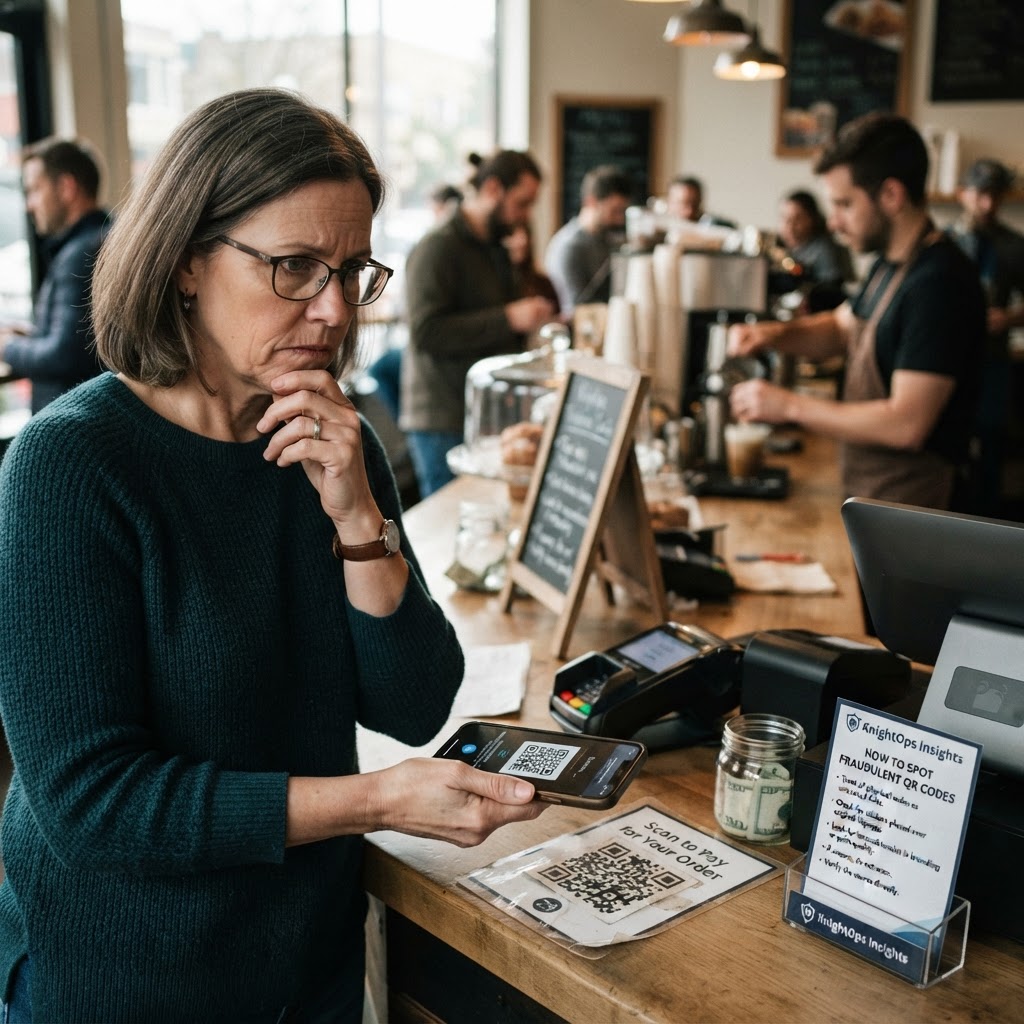
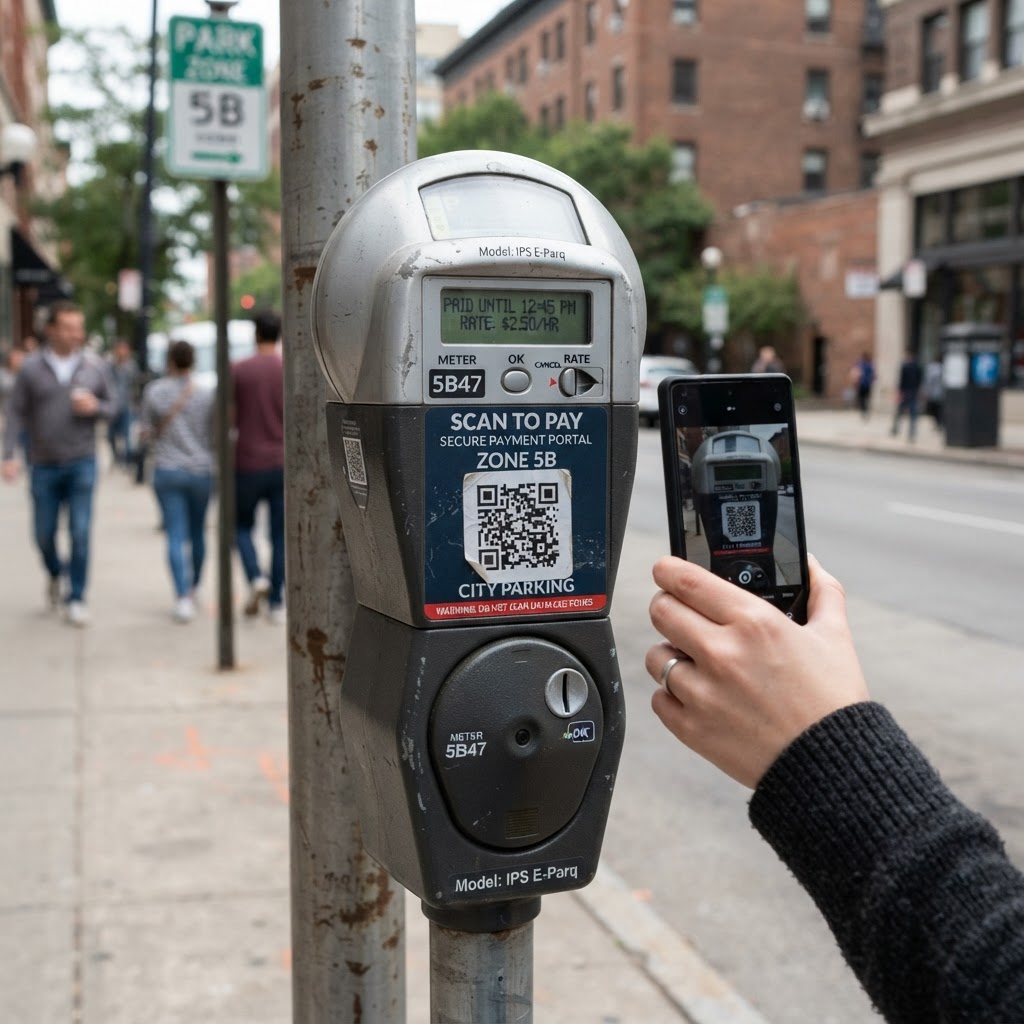
A QR code found in a public space—such as a parking meter, restaurant table, or transit station—should be treated as an untrusted link. The Federal Trade Commission has confirmed that scammers are actively placing fraudulent QR codes over legitimate ones to redirect users to malicious websites designed to steal financial information and personal credentials [6].
The risk is not in the scan itself, but in the actions taken afterward. When you scan a code, your smartphone camera typically displays a preview of the destination URL. If that URL does not match the expected service or appears suspicious, do not click it [2]. Use your device's native camera app rather than third-party scanner applications, which can sometimes be used to install malware or gain unauthorized access to your device's privacy settings [1].
Immediate Recovery Steps
If you have already entered credentials or payment information into a site accessed via a suspicious QR code, take these steps immediately to limit the damage:
- Secure your accounts: If you entered a password, change it immediately on the official website or app of the service you intended to use. If you reuse that password elsewhere, update those accounts as well [6].
- Audit financial statements: Review your bank and credit card statements for unauthorized transactions. Report any discrepancies to your financial institution immediately [6].
- Report the incident: File a report with the Federal Trade Commission at ReportFraud.ftc.gov to help authorities track these schemes [6].
- Consider a credit freeze: If you suspect sensitive personally identifiable information was compromised, placing a credit freeze can prevent scammers from opening new accounts in your name [10].
Organization and Continuity
For families managing household records, this threat highlights the importance of maintaining a "known-good" list of payment methods and service portals. Rather than relying on ad-hoc QR codes, navigate directly to official websites or use verified mobile applications for recurring payments like parking or utility bills. If a physical code appears to be a sticker placed over an existing surface, or if it is poorly aligned, assume it is a target for tampering and avoid it entirely [10].